Thunder Bay Electrical Services: Professional Electrical Repair Services
Expert Electrical Service Provider Services for Every Need
Skilled electrical contractors deliver specialized solutions that handle a broad spectrum of needs in commercial and residential industries. These specialists guarantee adherence with safety regulations and improve operational efficiency. From implementation to energy conservation, their expertise is vital for reducing risks and preventing costly errors. Grasping the nuances of local codes strengthens their importance. However, navigating the hiring and selection procedure can be complex, bringing up important inquiries about how to identify the appropriate contractor for your specific needs.
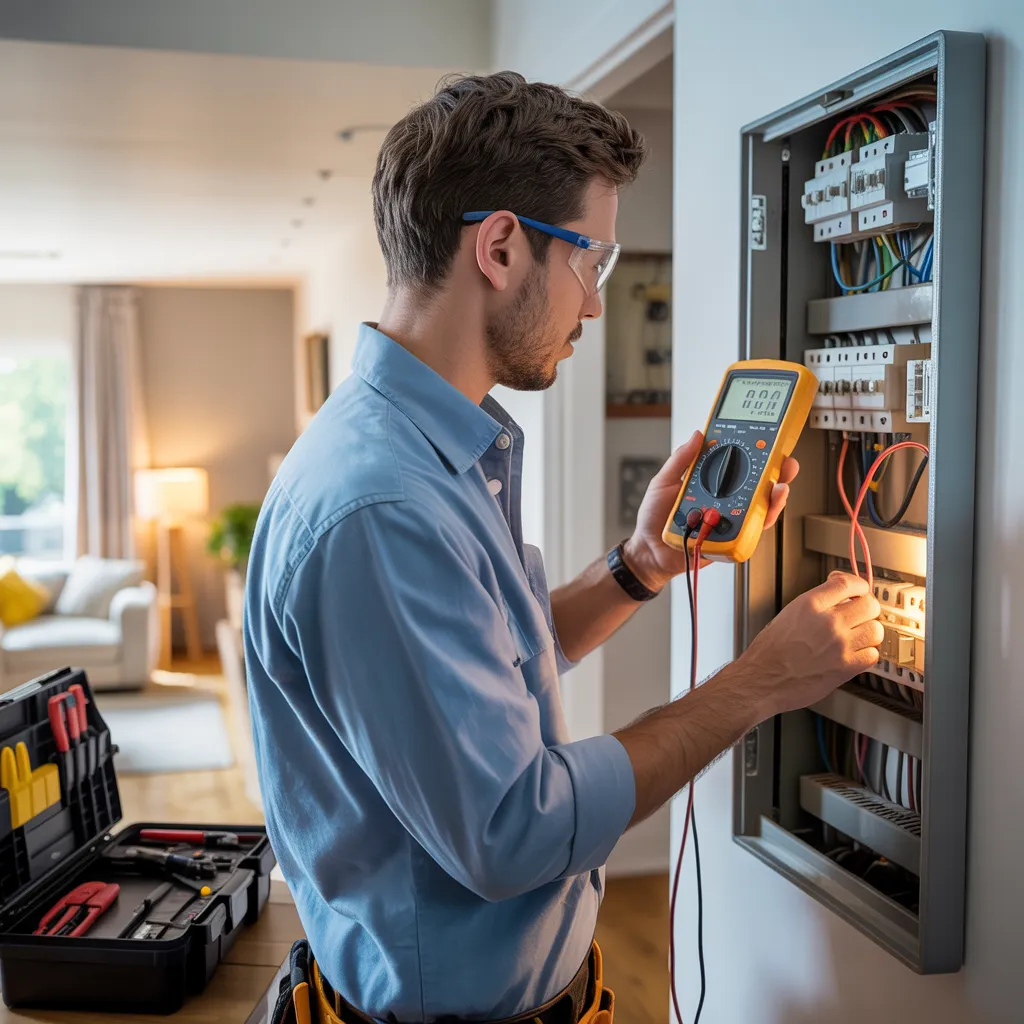
Why Choosing a Qualified Electrical Expert Is Important
Retaining a proficient electrician professional can greatly impact the integrity and functionality of a building's electrical system. These authorities possess the necessary training and credentials to validate that all electrical work respects local guidelines and regulations. This respect curtails the risk of perils such as electrical fires, shock, and equipment failure. Additionally, a seasoned contractor can expertly determine the specific electrical needs of a property, presenting tailored solutions that optimize efficiency and performance.
In addition to safety, bringing in a professional can avert costly mishaps that commonly originate from DIY endeavors or hiring unqualified technicians. Their expertise facilitates timely project delivery while upholding quality. Additionally, a established contractor typically offers guarantees and coverage, supplying peace of mind to homeowners. Ultimately, the choice to hire a qualified electrical professional is not simply a matter of ease; it is an investment in the long-term reliability and safety of a home's electrical network.
Popular Electrical Services Given by Contractors
A broad selection of electrical services is generally provided by contractors to address diverse client needs. These services include residential wiring, where electrical experts install and maintain power systems in homes, guaranteeing safety and compliance with local codes. Commercial electrical work encompasses setup and maintenance in commercial settings, focusing on efficient energy use and dependable functionality.
Additionally, contractors offer illumination setup and improvements, enhancing both visual appeal and performance in various spaces. They also specialize in identifying and fixing power system issues, tackling problems like dimming fixtures or electrical surges.
Additionally, consumption evaluations are provided to support customers cut energy consumption and lower energy bills. Contractors commonly help with the installation of smart home systems, integrating intelligent solutions for improved oversight and practical benefits. Ultimately, emergency electrical services are offered to handle critical issues, ensuring that end users receive quick support when needed.
Evaluating Electrical Contractor Credentials
Checking the credentials and experience of an electrical contractor is critical for assuring quality and safety in electrical work. Key factors include the necessary licensing and certifications, thorough insurance and liability coverage, and a proven track record of experience. Combined, these components create a basis for judging the contractor's reliability and professionalism.
Licenses and Certifications Required
Licensing and certifications serve as significant indicators of an electrical contractor's qualifications and adherence to industry standards. Every region has particular licensing requirements that contractors must meet, often including a mix of education, training, and experience. Certifications from certified organizations further validate a contractor's specialty in areas like residential, commercial, or industrial electrical work. These credentials not only ensure compliance with local regulations but informative guide also show a commitment to safety and professionalism. Clients should confirm these credentials before hiring, since licensed contractors are generally more knowledgeable about current codes and best practices. Ultimately, appropriate licensing and certifications enhance consumer confidence and contribute to the successful completion of electrical projects.
Protection And Liability Protection
When reviewing the credentials of an electrical contractor, insurance and liability coverage are vital factors. These protections ensure that both the contractor and the client are shielded against possible incidents. A qualified electrical contractor must have general liability insurance, covering property damage or injuries that may happen during the project. Furthermore, workers' compensation insurance is necessary as it protects against workplace injuries suffered by employees. Clients should ensure that the contractor’s insurance is up-to-date and sufficient for the scope of work. This not only lessens financial risk but also reflects the contractor's dedication to professionalism and safety. Ultimately, strong insurance and liability coverage act as indicators of a reliable and trustworthy electrical contractor.
Knowledge and Track Record
Experience serves as a base in assessing the qualifications of an electrical contractor. A contractor's track record of finished work demonstrates their capacity to handle various electrical tasks, spanning from residential projects to sophisticated commercial installations. Potential clients should examine the contractor's portfolio, looking for quality work that match their particular needs. Moreover, years in the industry often relate to a deeper understanding of regulatory requirements and safety standards. Client testimonials and reviews can offer insights into trustworthiness and customer satisfaction. Credentials and licenses further validate a contractor's expertise, showcasing ongoing education and adherence to industry standards. In the end, a strong track record supports informed choices, assuring clients choose a contractor able of delivering quality work consistently.
The Importance of Electrical Contractors in Home Renovations
In the intricate dance of home renovations, electrical contractors play a pivotal role, guaranteeing that every wiring and lighting preference strengthens both safety and aesthetics. Their expertise is indispensable in planning and executing electrical layouts that observe building codes and regulations. From installing energy-efficient lighting to strategically placing outlets, these professionals guarantee functionality and convenience throughout the home.
Furthermore, electrical professionals evaluate existing infrastructure, identifying necessary upgrades or repairs that boost overall energy efficiency. This not only reduces utility costs but also supports to a more sustainable living space. They partner closely with fellow tradespeople, coordinating their work with plumbing, carpentry, and visual elements to establish a unified improvement blueprint.
Finally, the engagement of electrical contractors is fundamental for turning a house into a secure, fashionable, and current home, reinforcing their importance in any successful renovation project.
Electrical Contractor Services for Commercial Spaces
Regarding commercial spaces, electrical contractors fulfill an important function in putting in place efficient wiring installations and energy management frameworks. These strategies not only elevate operational efficiency but also generate cost savings over time. By directing attention toward innovative electrical designs, businesses can refine their energy consumption and enhance overall effectiveness.
Efficient Wiring Setups
Effective wiring implementations are vital for boosting functionality and protection in commercial spaces. A thoughtfully structured wiring system boosts electrical performance while lowering the risk of hazards. Expert electrical contractors examine the unique needs of each facility, ensuring that wiring is modified to support various applications, from lighting to heavy machinery. By utilizing excellent materials and adhering to industry standards, they reduce maintenance issues and extend the lifespan of electrical systems. In addition, effective wiring designs support future upgrades and expansions, allowing businesses to adapt to evolving technological demands. Ultimately, investing in effective wiring installations not only improves operational efficiency but also contributes to a safer working environment, promoting overall productivity and peace of mind for both employers and employees.
Smart Energy Management Frameworks
Optimizing electrical systems extends beyond effective wiring setups; it encompasses the deployment of energy management systems that improve energy efficiency in commercial spaces. Energy management systems deliver immediate oversight and management of power usage, enabling businesses to recognize consumption trends and minimize losses. By integrating cutting-edge solutions, such as smart meters and automatic management systems, EMS can substantially lower operational costs while advancing sustainability. Electrical contractors play an essential role in designing and implementing these solutions, guaranteeing they meet specific commercial needs. With tailored EMS solutions, companies can achieve greater energy efficiency, adhere to requirements, and enhance their overall operational performance. Adopting an EMS not only benefits the bottom line but also contributes to a greener environment.
How to Communicate Your Project Needs With Construction Professionals
Clearly articulating project needs is essential when collaborating with electrical contractors. Clients should start by defining the project scope, specifying the type of work required, whether it's new installations, upgrades, or repairs. Offering comprehensive details helps contractors understand expectations and necessary resources.
Furthermore, clients should share their budget constraints and project deadlines. Disclosing these parameters enables vendors to offer feasible solutions and schedules. It is also useful to examine any specific preferences for components or technologies, along with any pertinent safety or regulatory requirements.
Visual aids, such as charts or images, can additionally improve understanding. Encouraging transparent communication fosters a collaborative atmosphere, allowing contractors to ask detailed inquiries and suggest alternatives. Finally, establishing a primary point of contact guarantees efficient communication throughout the project. By following these guidelines, clients can effectively share their needs, leading to successful project outcomes.
Expectations During Your Electrical Service Journey
What would an individual anticipate during the electrical installation process? At the outset, the electrical contractor will conduct an evaluation of the project specifications, reviewing the extent and any specific concerns. Following this, they will deliver a detailed quote, outlining expenses and schedules. Once the contract is in effect, the contractor will schedule the work and obtain any required permits.
Throughout the real project, you can expect transparent dialogue about advancement and potential disruptions. The contractor will guarantee that safety protocols are adhered to, minimizing hazards to both workers and residents. As the project advances, assessments may take place to verify compliance with local codes.
Upon finishing, the contractor will undertake a final walkthrough, addressing any concerns and guaranteeing all systems function correctly. Finally, they will provide documentation, encompassing warranties and upkeep tips, ensuring that the homeowner is knowledgeable about their new electrical installations. This meticulous process aims to supply reliable and effective electrical solutions.
Often Posed Questions
What Is the Median Charge of Contracting an Electrical Professional?
The standard rate for bringing in an electrician typically spans from $50 to $100 per hour, relying on the intricacy of the project and location. Predetermined fees for particular tasks could be applicable, with considerable variation.
How Much Time Will Standard Electrical Work Take to Finish?
Typical electrical work timeframe varies, often taking a few hours to several days, depending on the project's complexity. Factors like the type of installation, existing wiring conditions, and efficiency of the contractor play important roles in how long it takes to complete.
Is Registration for Electricians Required in Every State?
Electrical specialists are commonly required to be a license in most states, ensuring they meet specific training and hands-on standards. However, permit requirements can vary widely, so it's vital to check local ordinances for correct information.
Am I able I Do Any Electrical Work on my own?
Homeowners can perform some basic electrical projects themselves, such as changing outlets or light fixtures, but must adhere to local codes. For advanced work, hiring a licensed professional is advisable to confirm safety and compliance.
What Steps Can I Follow During an Electric Emergency?
When facing an electrical emergency, individuals should immediately turn off the power at the circuit breaker, avoid touching any live wires, and contact a skilled electrician for assistance to ensure safety and proper resolution.